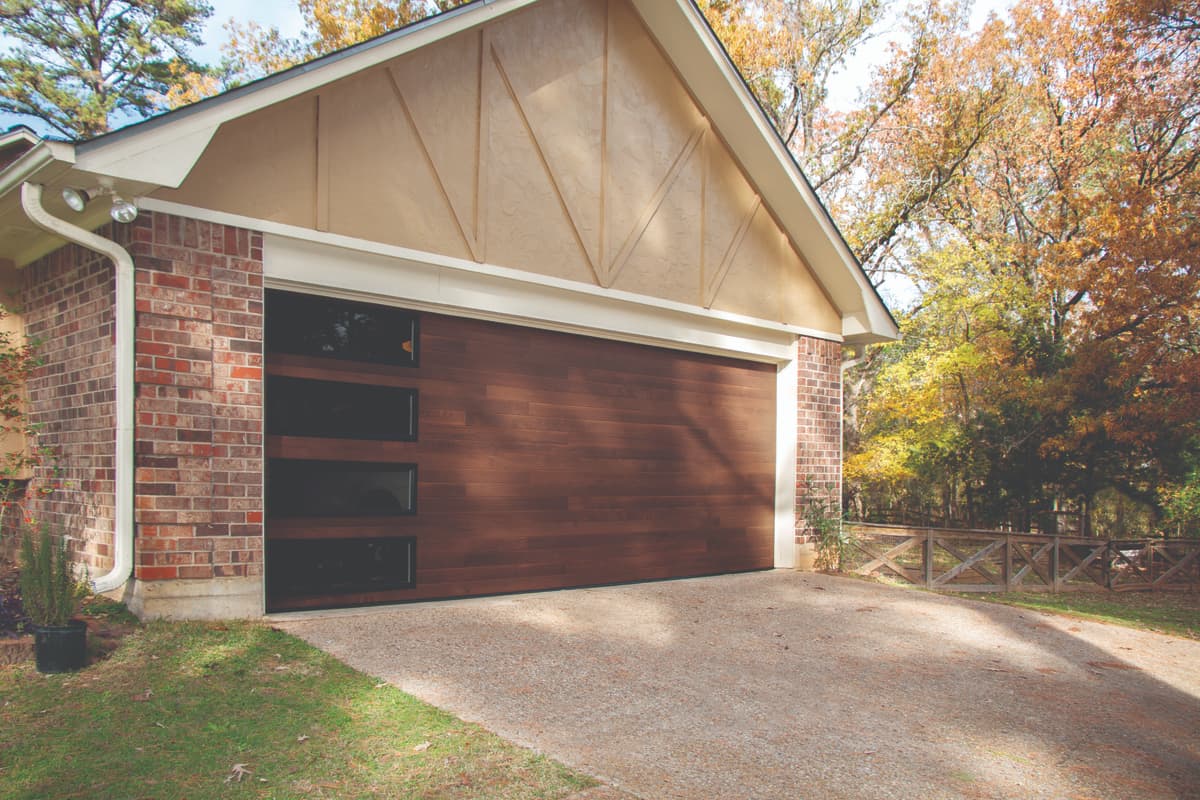
How to Check Your Garage Door Weatherstrip
Jul. 10, 2026Your garage door's weatherstrip is easy to overlook until a cold draft, a puddle on the floor or an uninvited pest reminds you it is there. That flexible strip of rubber or vinyl around your door does a surprisingly big job, keeping the elements out and helping your garage stay comfortable and efficient. Here is why weatherstrip matters, how to inspect yours, and when to call in the professionals at Wayne Dalton Sales & Service to repair a garage door seal.
Why Weatherstrip Matters
A good weather seal closes the small gaps around your garage door where air, water and pests find their way in. The benefits add up quickly:
- Keeps the weather out: Bottom and perimeter seals block rain, snow and wind-driven debris from reaching the things you store inside.
- Supports energy efficiency: By sealing air leaks, weather stripping helps your garage hold a steadier temperature. That eases the load on your heating and cooling and can trim energy use, especially when the garage shares a wall with your home.
- Discourages pests: Tight seals leave far less room for insects, mice and other unwanted visitors to slip beneath the garage door.
- Protects your door: Keeping water away from the bottom of the door and its hardware helps reduce rust and premature wear.
Pairing healthy seals with a well-built, insulated insulated garage door door makes an even bigger difference in comfort and efficiency.
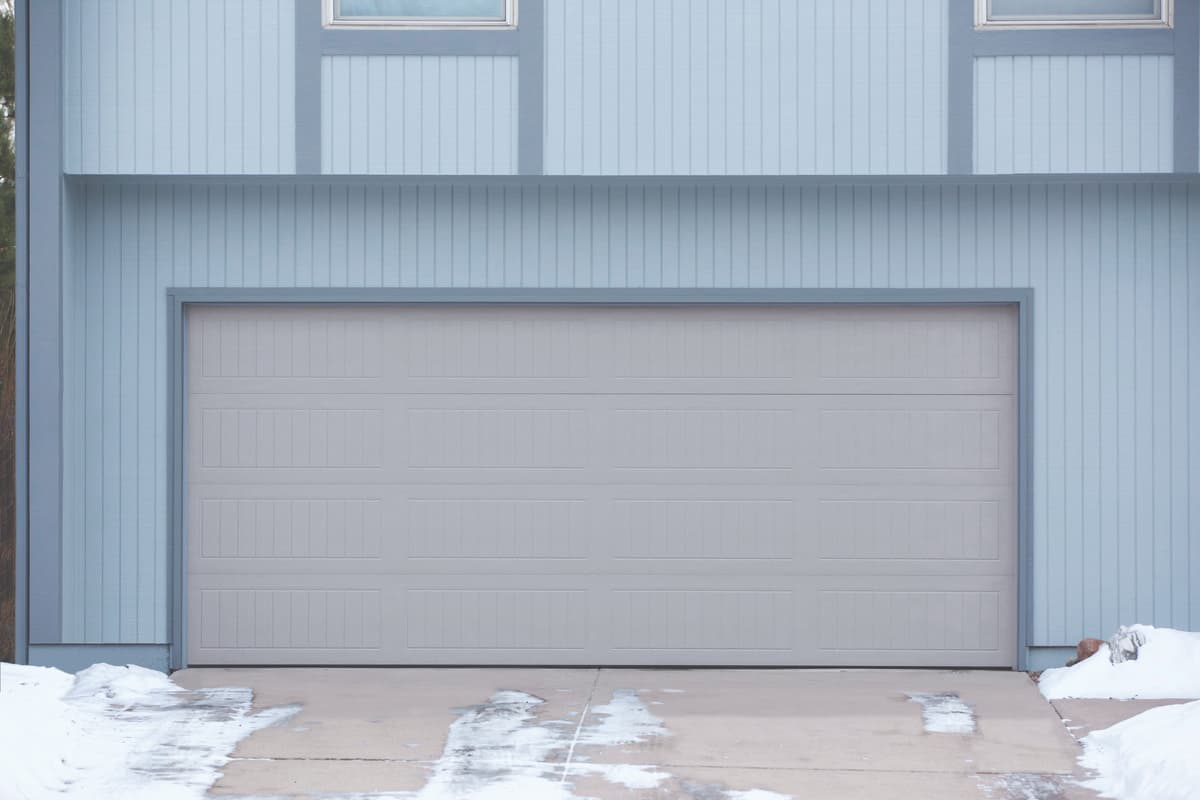
How to Inspect Your Weather Seal Yourself
You can size up your seals in just a few minutes with a handful of simple checks:
- The daylight test: With the garage door fully closed, stand inside during the day and look along the bottom and sides. If you can see daylight, the seal is not making full contact.
- The draft check: On a cold or windy day, move your hand near the edges of the closed door. Air you can feel means there are gaps.
- The water clue: After heavy rain, look for moisture or puddles creeping in under the door.
- A close look at the rubber: Inspect the bottom seal for cracks, brittleness, tears or flattened spots that no longer spring back. A weather seal that has hardened or lost its shape has lost its grip.
- The pest and debris hint: Leaves, dust or signs of insects inside the garage often point to a worn weatherstrip.
Aim to inspect your garage door weather seals at least once a year and again after any harsh season.
A Few Things to Keep in Mind
A weather seal can only do so much. It will not correct a door that is out of balance or closing unevenly, so if your door does not meet the floor squarely, that alignment should be addressed first. Keep in mind, too, that seals are not universal. The correct garage door seal replacement depends on the shape and size of your door's bottom retainer and the seal profile that slides into it, which is why a careful match matters.
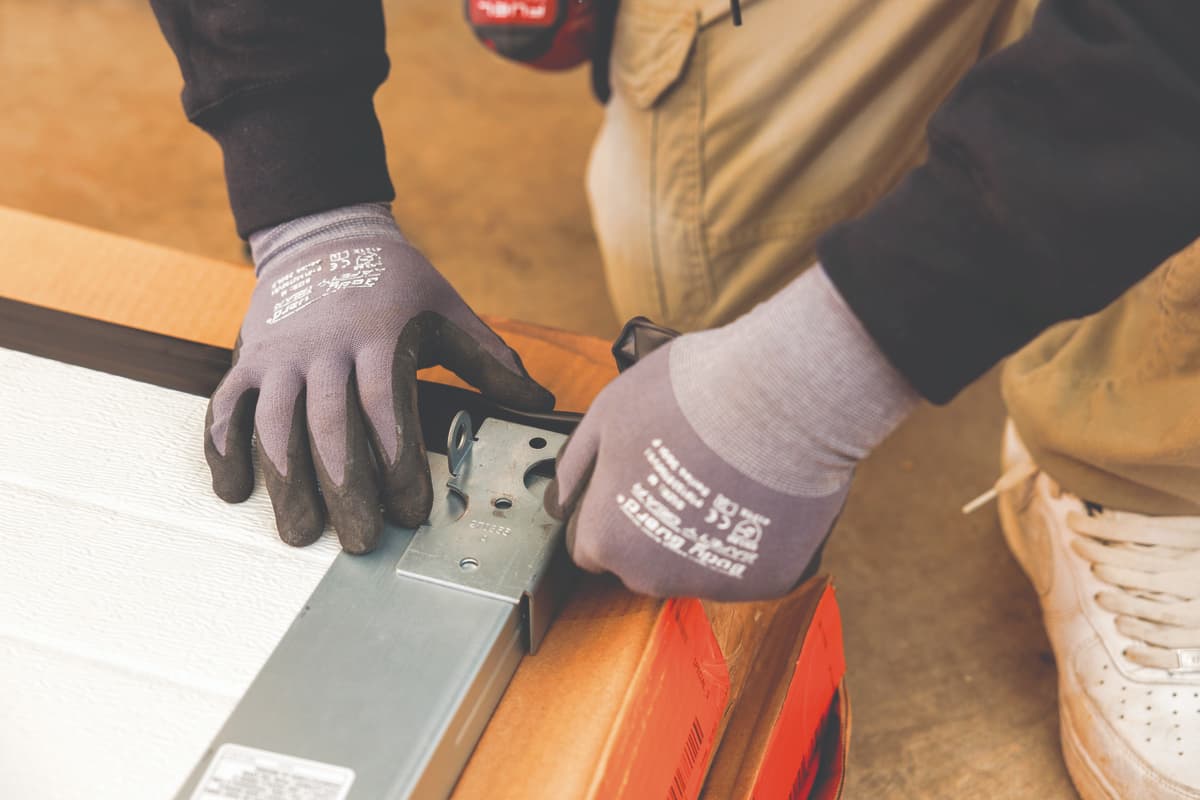
When to Call a Professional to Replace a Garage Door Weather Seal
If your garage door weatherstrip is cracked, flattened or clearly letting in weather, a professional can match the right profile and replace it so your door closes tight again. Wayne Dalton Sales & Service checks the weather seal at the bottom of the garage door as part of our 21-point preventative maintenance and safety inspection, which also reviews the springs, rollers, cables and other hardware that keep your door operating safely. A trained technician can catch issues you might miss and fit a new seal sized correctly to your door. Contact us to book an inspection and garage door weather stripping replacement in Akron, Albuquerque, Charlotte, Cincinnati, Colorado Springs, Houston, Kennewick, Lewiston, Missoula, Peoria, Quad Cities, Raleigh, Spokane Valley, and Tempe to keep your garage sealed, efficient and protected through every season.