Fall Commercial Door Maintenance: A Checklist for Facility Managers
Aug. 28, 2026Fall is the ideal time for facility managers, warehouse operators, distribution centers, loading docks and manufacturing facilities to prepare commercial doors for colder temperatures and increased winter demands. Proactive maintenance can help reduce unexpected downtime, improve workplace safety and support efficient operations throughout the busy winter season. If your commercial doors need professional attention before cold weather arrives, contact Wayne Dalton Sales & Service to schedule an inspection and help keep your facility running smoothly.
Facility managers can use this checklist to review commercial overhead doors at warehouses, loading docks, distribution centers and manufacturing facilities. While employees can perform basic visual checks, adjustments and repairs should be left to trained commercial door technicians.
Inspect the Door Panels and Curtains
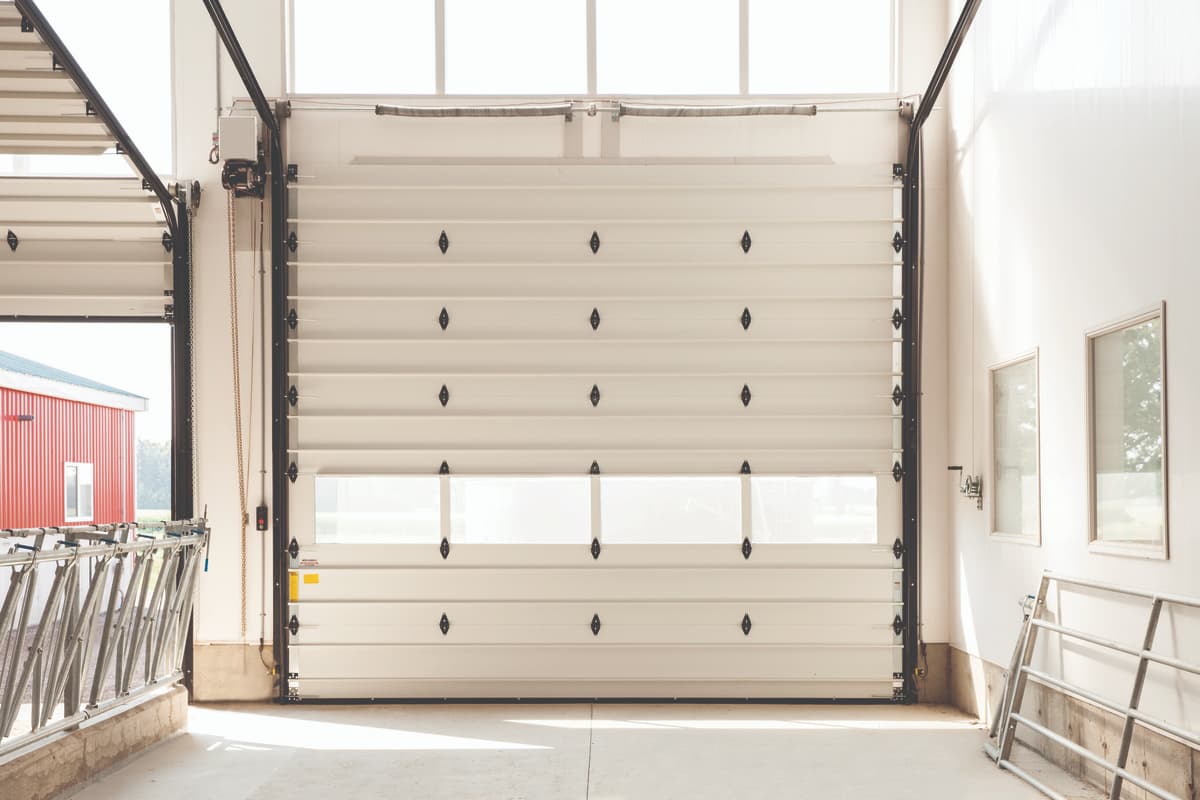
Check sectional steel door panels for dents, cracks, corrosion and misaligned sections. Panel damage can interfere with smooth movement or prevent the door from closing properly.
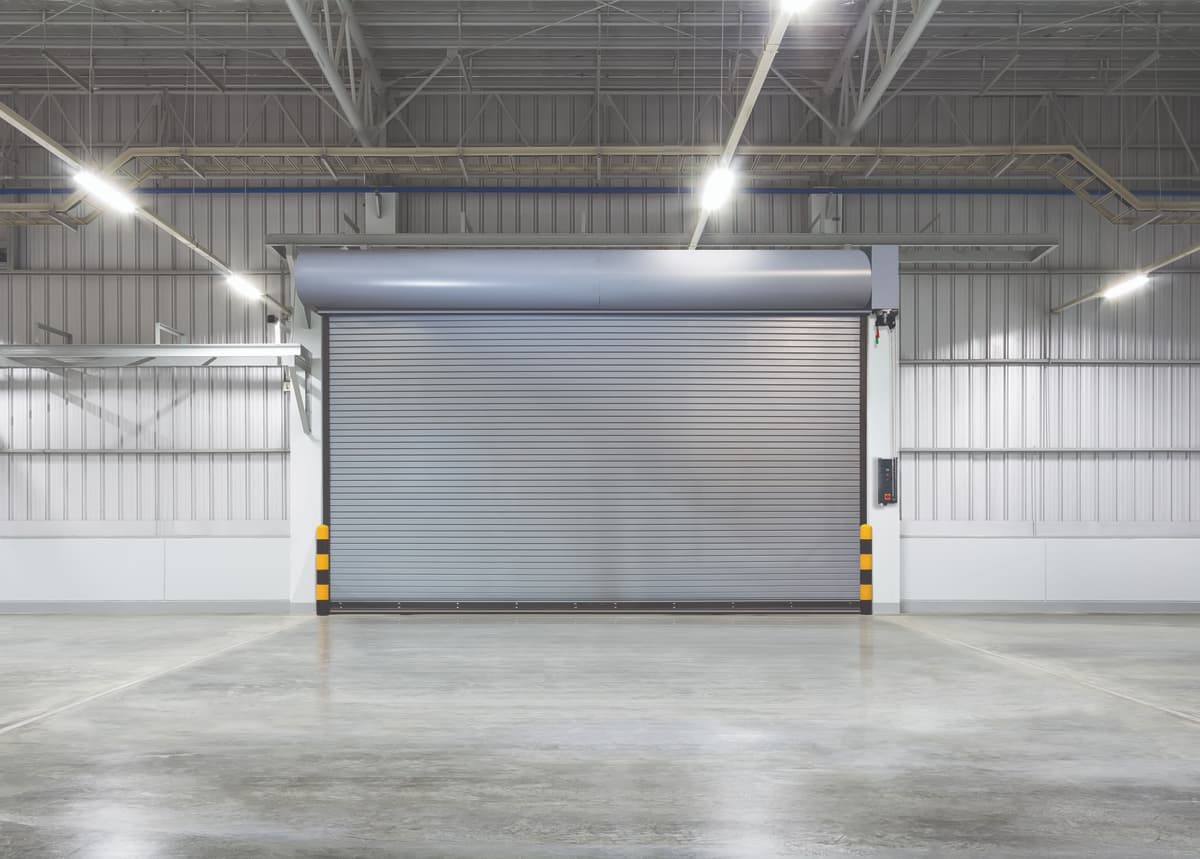
For rolling doors, examine the slats for bends, separation and visible wear. High-speed metal, fabric and rubber doors should be checked for damaged sections, punctures or frayed edges. If a door moves unevenly, makes unusual sounds or has significant visible damage, restrict its use until a technician can assess it.
Inspection requirements vary among sectional, rolling and high-speed commercial doors, so follow the manufacturer’s recommendations for each system at your facility.
Whether your facility operates sectional steel doors, rolling doors or high-speed doors, Wayne Dalton Sales & Service can service all makes and models of commercial doors and help identify maintenance concerns before they lead to costly downtime.
Check Weather Seals and Perimeter Gaps
Inspect bottom seals, perimeter seals and weatherstripping for cracks, flattened areas, brittleness or missing sections. Look for daylight around the edges while the door is closed, as visible gaps may indicate seal damage or alignment problems.
Intact seals help limit drafts, moisture and air leakage. They are particularly important around loading docks and doors separating outdoor areas from temperature-controlled spaces.
Seasonal changes can expose exterior doors to cold, ice and moisture. Reviewing exterior door maintenance throughout the year can help facility teams understand how changing conditions may affect door performance.
Examine Rollers, Tracks and Hardware
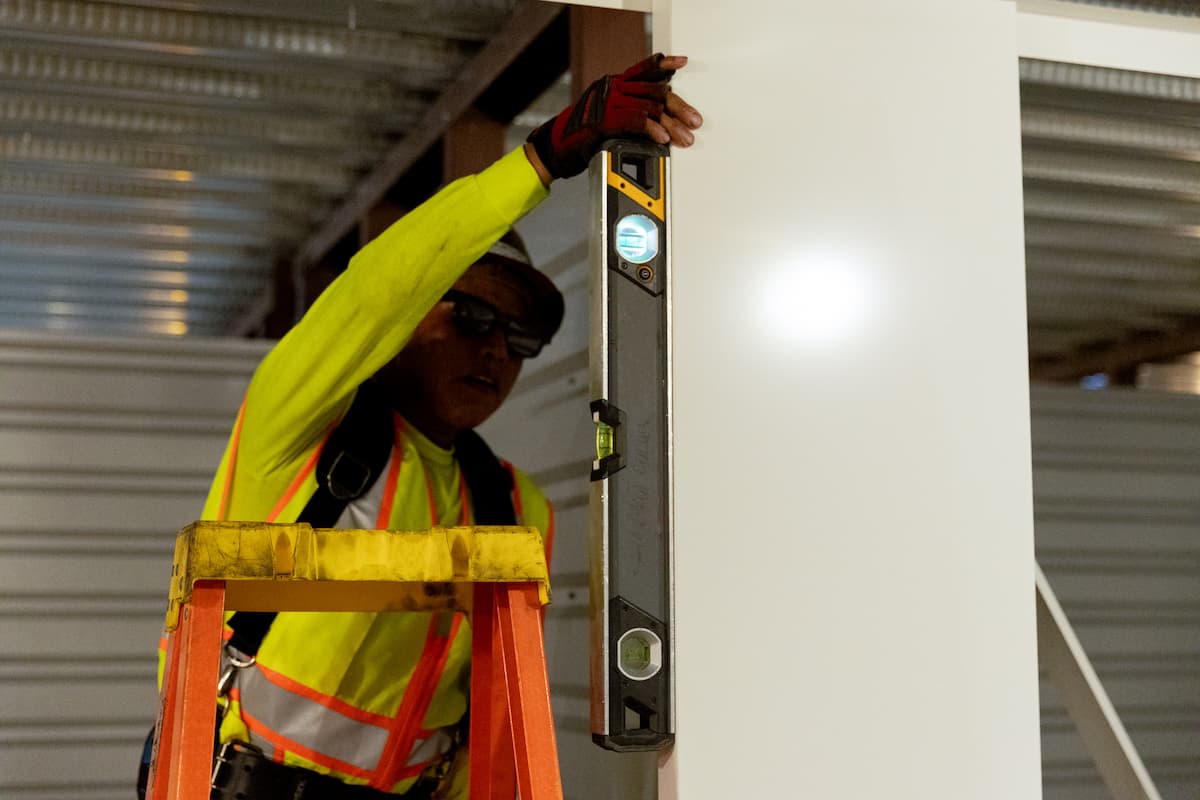
Rollers and tracks help guide a commercial door as it opens and closes. Check accessible components for worn rollers, bent tracks, loose fasteners and accumulated debris.
Keep tracks and door openings clear of packaging materials, dirt, snow and ice. Facility personnel can document visible damage and performance changes, but they should not attempt to straighten tracks or adjust moving components. A trained technician should handle track alignment and hardware repairs.
Arrange a Professional Spring and Cable Inspection
Springs, cables and counterbalance components help support and control the door’s weight. These components operate under significant tension and can present serious risks when damaged or adjusted incorrectly.
Watch for frayed cables, corrosion, visible gaps in springs or uneven door movement. Do not touch, tighten or replace these parts. Schedule a professional inspection if you notice damage or a change in the door’s balance.
Service frequency should reflect the manufacturer’s recommendations, the number of door cycles and the operating environment. High-cycle doors at busy loading docks or distribution centers may require more frequent attention than doors used occasionally.
If you observe signs of cable or spring wear, contact Wayne Dalton Sales & Service for a professional commercial door inspection.
Review Safety Features and Sensors
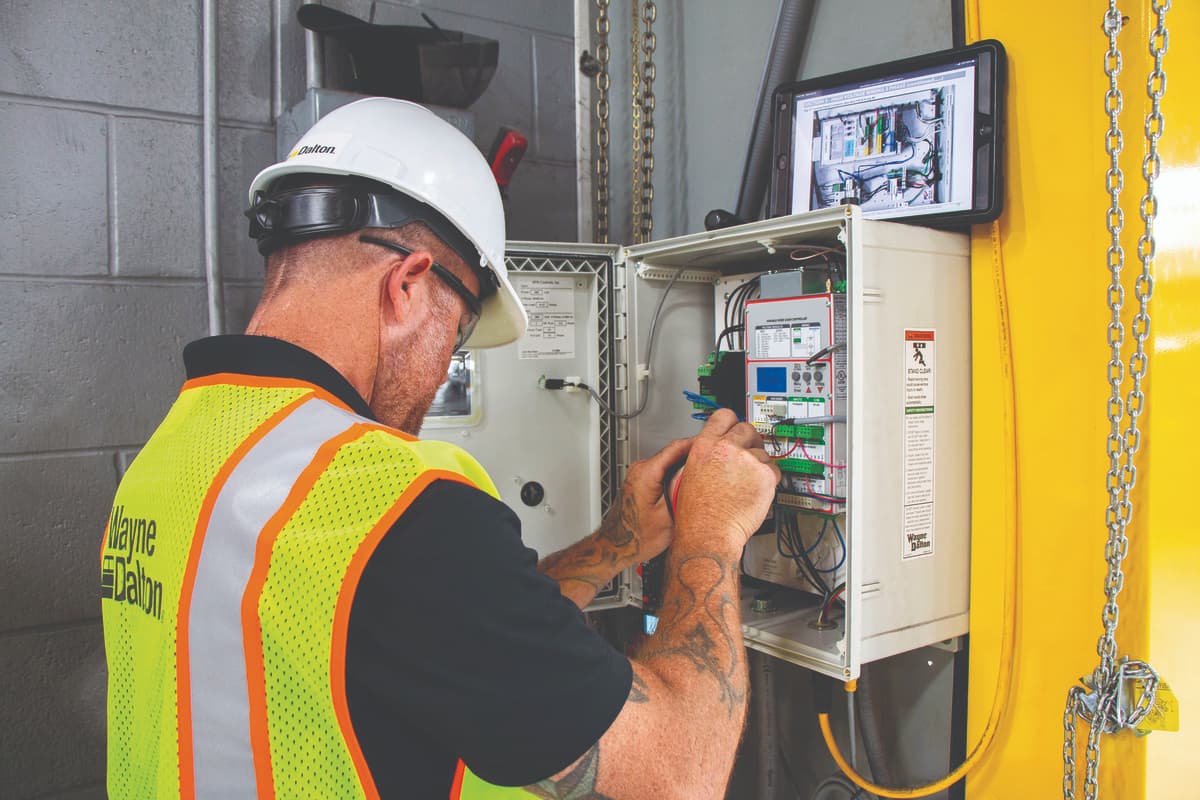
Commercial door systems may include photoelectric sensors, sensing edges, reversing devices, warning lights and emergency controls. Keep accessible sensors clean and free of obstructions and report damaged or misaligned components.
Authorized facility personnel can perform routine visual checks according to workplace procedures and the manufacturer’s instructions. However, sensor calibration, safety-device testing and operator adjustments should be handled by a trained technician.
Regular preventive maintenance for commercial door safety may include professional checks of panels, rollers, seals, operators, sensors and reversing systems. If safety devices are not functioning as expected, contact Wayne Dalton Sales & Service for a professional inspection and recommended repairs before winter weather increases operational demands.
Monitor the Door Operator and Performance
Observe the door during normal operation. Note hesitation, vibration, unusual noise, inconsistent speed or unexpected stopping. These changes may point to worn components, operator problems or an obstruction.
Confirm that wall controls and emergency-release equipment are accessible and show no visible damage. Do not remove operator covers or attempt electrical repairs.
Repeated malfunctions, extensive damage or declining performance should be evaluated by a qualified commercial door technician. Wayne Dalton Sales & Service can inspect commercial door operators and recommend appropriate maintenance or repairs before performance issues lead to unplanned downtime.
For high-cycle systems, review the signs that a high-speed door may need replacement, but consult a technician before deciding whether repair or replacement is appropriate.
Frequently Asked Questions about Commercial Door Maintenance
How often should commercial doors be serviced?
Follow the manufacturer’s maintenance schedule and recommendations based on door cycles. Door type, operating conditions, weather exposure and previous service issues can also affect inspection frequency. High-cycle doors may need more frequent service than doors used occasionally.
Can cold weather affect commercial door performance?
Yes. Cold temperatures may stiffen worn seals, while snow, ice and debris can obstruct tracks or door openings. Moisture may also contribute to corrosion. A fall inspection can help identify these concerns before winter conditions intensify.
How do weather seals improve commercial door efficiency?
Weather seals help limit drafts and air leakage around a closed door. They can support more consistent indoor conditions, particularly in temperature-controlled warehouses, manufacturing facilities and active loading areas.
Schedule a Fall Commercial Door Inspection
Proactive commercial door maintenance can help identify wear before it disrupts winter operations. Wayne Dalton Sales & Service provides commercial door installation and service through locations across the United States. Find your nearest Wayne Dalton Sales & Service location and schedule a fall commercial door inspection.
We have 14 locations across America in Akron, Albuquerque, Charlotte, Cincinnati, Colorado Springs, Houston, Kennewick, Lewiston, Missoula, Peoria, Quad Cities, Raleigh, Spokane Valley, and Tempe to schedule a professional commercial door inspection before winter arrives.