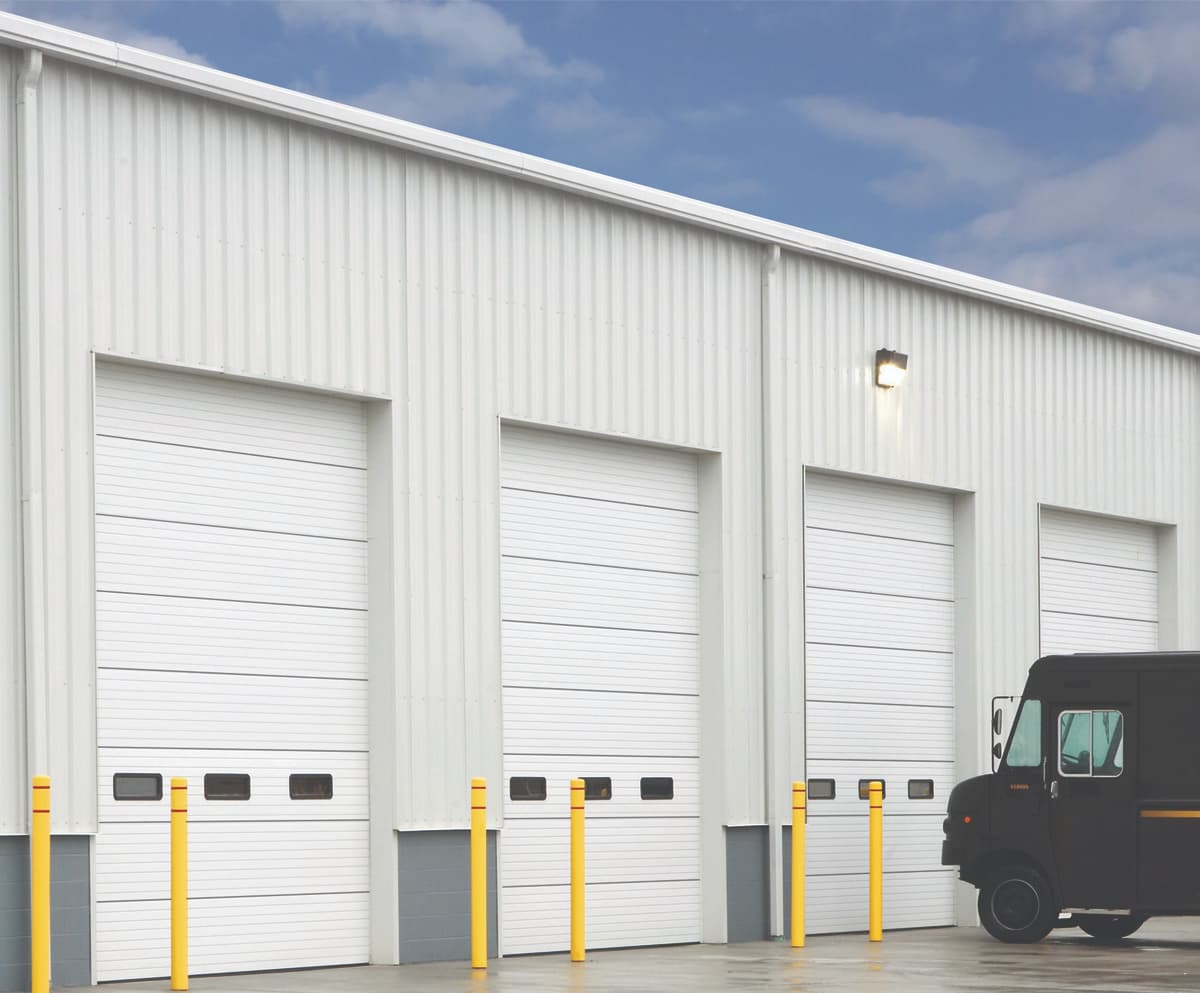
6 Commercial Overhead Door Problems That Require Professional Repair
Jul. 3, 2026Commercial overhead doors do a lot of quiet work. In warehouses, distribution centers, manufacturing plants, automotive facilities, and storage buildings, they open and close hundreds of times a day while protecting your inventory, your equipment, and your team. Because sectional steel doors run so reliably, it is easy to overlook them until something goes wrong. By then, a small issue has often grown into a stuck door, a safety risk, or an unplanned shutdown. The good news is that most failures give you warning signs first, if you know where to look. Wayne Dalton Sales & Service offers commercial and industrial overhead door repair and maintenance solutions for facilities like these, and a little awareness goes a long way toward keeping yours running.
Why Catching Industrial Door Repairs Early Matters
Whether you manage warehouse doors, loading dock doors, or large commercial overhead doors, catching problems early can keep repairs smaller, reduce downtime, and protect the people working near the opening. A sectional steel door is a system of moving parts working under constant tension. When one component starts to wear, it puts extra strain on the others, so a minor problem rarely stays minor. A frayed cable or a slightly bent track can turn into a door that jams, drops, or stops working altogether. It also lets you plan service around your operation instead of scrambling when a door fails in the middle of a shift. A quick visual check at the start of each shift, paired with regular professional inspections, is one of the simplest ways to avoid a costly surprise.
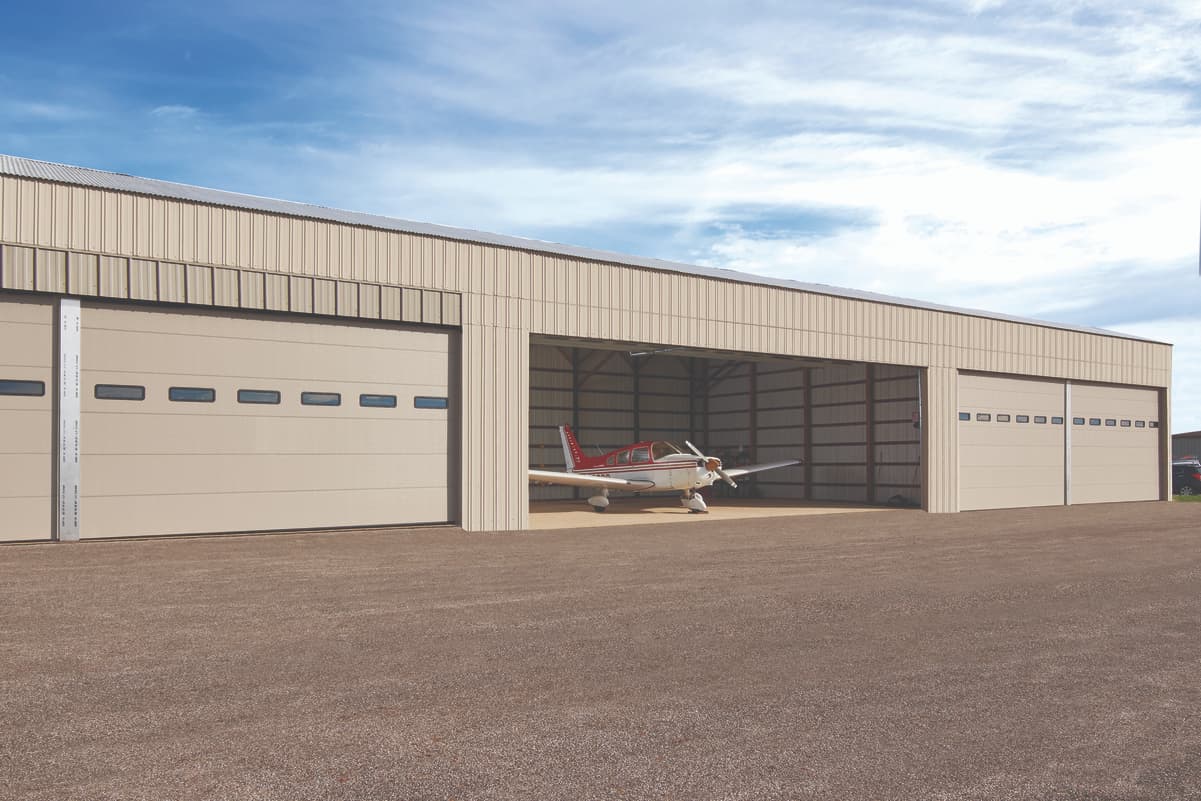
Common Commercial Overhead Door Repairs
Even well-built sectional steel doors wear over time. Here are the six issues facility teams run into most often that require commercial door maintenance and repairs.
1. Panel Damage
Steel panels take the brunt of daily traffic, and forklifts, pallets, and delivery vehicles are common culprits, especially in busy warehouses and distribution centers. Dents, cracks, and rust weaken a panel and can throw off the door’s balance. Look for bowing, separated seams, and corrosion around the bottom section, where moisture and impacts tend to concentrate.
2. Broken Springs
Springs counterbalance the weight of the door, and they are rated for a limited number of open and close cycles. As they wear out, you may notice the door feeling heavier, moving unevenly, or slamming shut. A broken spring is a serious safety hazard and should only be handled by a trained technician.
3. Track Misalignment
Overhead doors ride on tracks that need to stay straight and evenly spaced. Bent, loose, or debris-filled tracks cause the door to bind, grind, or slip off its path. Listen for scraping sounds and watch for gaps between the rollers and the rail, both early signs that the tracks need attention.
4. Cable Wear
Lifting cables work with the springs to raise and lower the door safely. Over time they fray, stretch, or rust, especially in manufacturing facilities and loading dock environments with constant use. Frayed strands, kinks, or a cable that has slipped off its drum mean the door could fail without warning, so this one deserves prompt attention.
5. Weather Seal Deterioration
Bottom and perimeter seals keep out wind, water, dust, and pests while helping hold the temperature inside. Cracked, brittle, or missing seals let drafts and moisture in, which raises energy costs and can damage stored goods. Replacing worn weatherstripping is a small job that protects everything behind the door.
6. Door Operator Issues
Most commercial sectional doors rely on a powered operator. Unusual noises, slow or hesitant movement, a door that reverses for no reason, or controls that respond only some of the time all point to an operator or safety-sensor problem. Because the operator ties into the door’s safety system, these are worth a professional look.
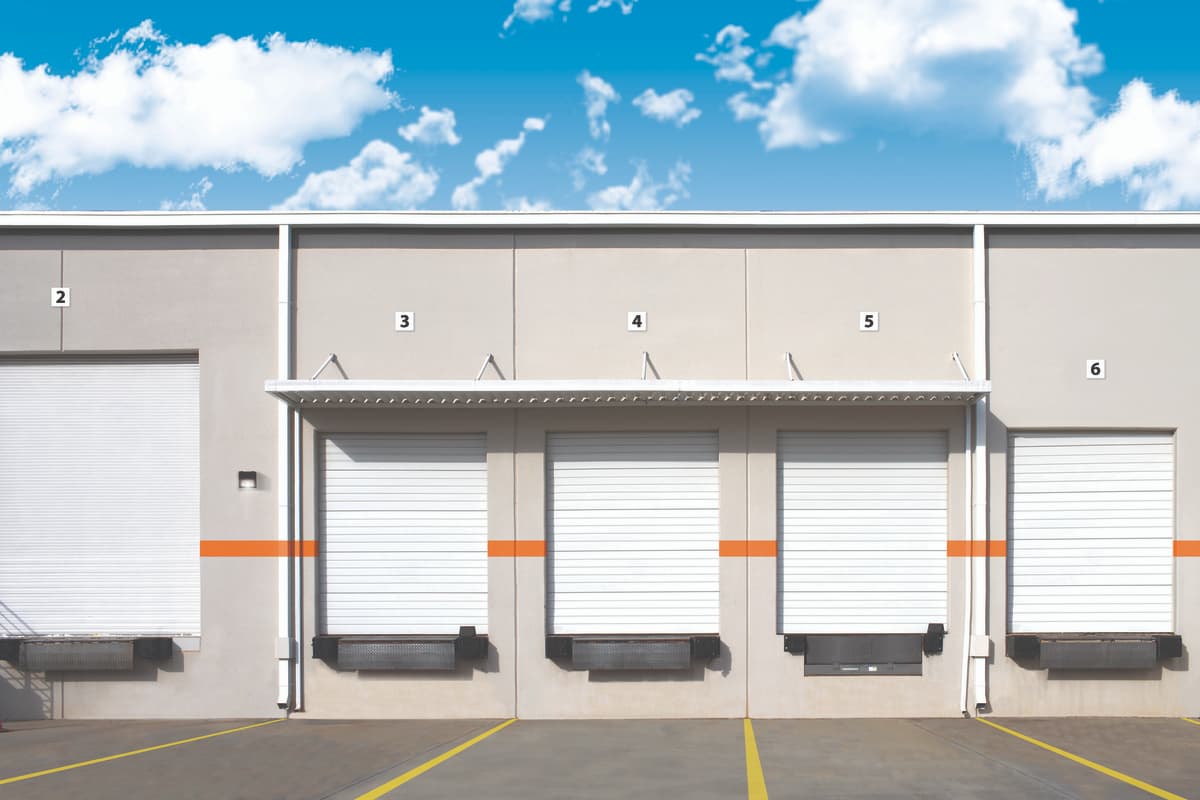
When to Schedule Commercial Overhead Door Repair and Maintenance
Some warning signs call for immediate attention: an overhead door that will not open or close, a broken spring or cable, or a panel hanging out of alignment. Stop using the door and call a technician rather than forcing it, since a door under tension can cause injury or further damage. Beyond emergencies, a regular maintenance plan keeps small issues from becoming big ones. For most busy facilities from warehouses to loading docks, a professional inspection two to four times a year is a sensible starting point, with high-traffic openings checked more often. A technician will test the door balance, tighten the hardware, lubricate moving parts, and replace worn components before they fail. Keeping a simple log of what was checked and when makes it easier to spot patterns and budget for replacements.
When you are ready for service, the expert technicians at Wayne Dalton Sales & Service can inspect your overhead doors and take care of repairs. Find a location near you to get started in Akron, Albuquerque, Charlotte, Cincinnati, Colorado Springs, Houston, Kennewick, Lewiston, Missoula, Peoria, Quad Cities, Raleigh, Spokane Valley, and Tempe. Staying ahead of these problems protects your schedule, your inventory, and your team. Book your inspection before a small fault brings your facility to a stop.