Be Hurricane Ready with Fabric-Shield® Storm Protection
Hurricane season arrives every year with little room for error. From June through November, homeowners in hurricane-prone regions face the risk of high winds, flying debris, and severe water damage. The key to staying safe isn’t last-minute scrambling - it’s proactive hurricane preparedness. Taking steps now to protect your home, your belongings, and your family can make a measurable difference when a storm hits.
Step 1: Protect Your Home’s Most Vulnerable Points
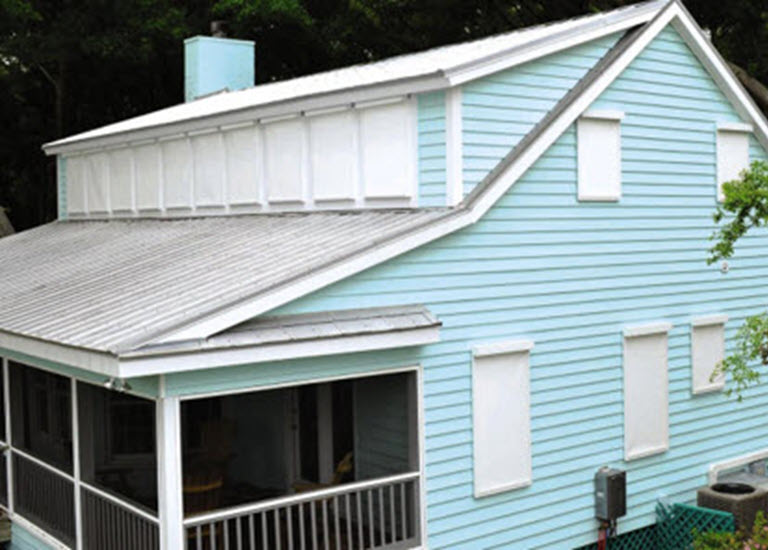
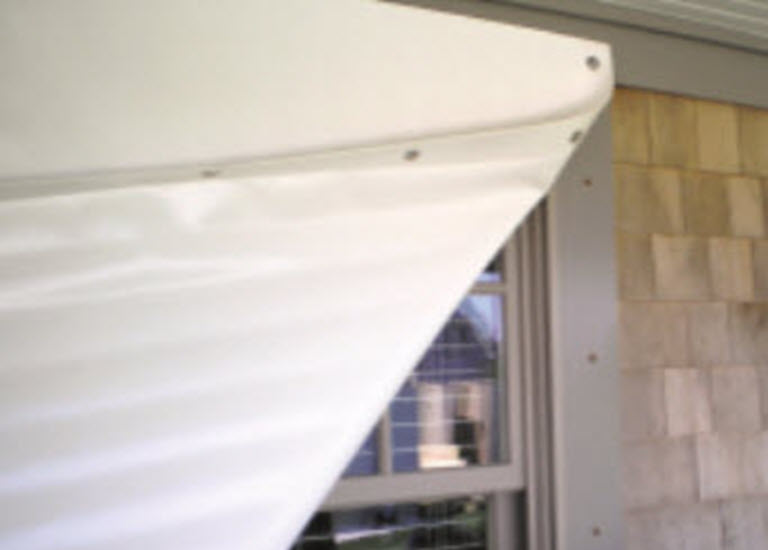
The most important step in hurricane preparedness is protecting your home’s structure before a storm forms. Windows and doors are among the most vulnerable points during a hurricane, which is why investing in reliable storm protection should come first. Wayne Dalton Fabric-Shield® Storm Products offer a practical solution designed to withstand wind-driven debris and high wind speeds. Unlike traditional hurricane shutters, these fabric-based systems are lightweight, easy to install, and allow natural light into your home during power outages. Whether you choose Fabric-Shield® panels or pull-down hurricane shutters, installing protection early helps reduce the risk of costly damage and gives you confidence heading into hurricane season.
Step 2 - Secure the Exterior of Your Property
Once your home is protected with proper storm protection, turn your attention to the outside of your property. Loose items, overgrown trees, and unsecured structures can quickly become hazards in hurricane-force winds. Trimming branches, reinforcing gutters, and securing outdoor furniture are essential parts of emergency preparedness. Anything not properly anchored can become airborne, increasing the risk of damage to your home and nearby properties. Taking the time to secure your exterior spaces helps reduce preventable risks before a storm arrives.
Step 3 - Build Your Food and Water Supply
A key part of hurricane preparedness is ensuring your household can operate independently for several days. Emergency preparedness guidelines recommend storing at least one gallon of water per person per day, along with a week’s worth of nonperishable food. Choose items that require little to no preparation and align with what your family already eats. Don’t forget essentials like a manual can opener, baby supplies, and pet food. Proper planning here ensures you are ready to shelter safely at home during hurricane season without relying on limited resources.
Step 4 - Prepare Medical and First Aid Essentials
Storm protection goes beyond your home - it includes your health and safety as well. A well-stocked first aid kit is critical during any emergency, especially when access to medical services may be limited. Make sure you have bandages, disinfectants, gloves, and basic medical tools readily available. It’s also important to maintain an adequate supply of prescription medications. During hurricane season, pharmacies can quickly run out of stock, so planning ahead is a key part of emergency preparedness.
Step 5 - Organize Emergency Contacts
In the middle of a hurricane or power outage, you can’t rely solely on your phone. Creating a written list of emergency contacts is a simple but often overlooked step in hurricane preparedness. Include family members, local emergency services, insurance providers, and utility companies. Keeping this list accessible ensures you can stay connected and informed even if digital systems fail during a storm.
Step 6 - Protect Important Documents
Another critical step in emergency preparedness is securing your most important documents. Insurance policies, identification, and financial records should be stored in a waterproof container and kept in a safe location above potential flood levels. It’s also smart to create digital backups by taking photos or storing copies in the cloud. When hurricane season brings unexpected damage, having quick access to these records can simplify recovery and insurance claims.
Step 7 - Document Your Home and Belongings
Preparing for hurricane season also means planning for what happens after the storm. Taking photos and videos of your home and personal belongings creates a record that can be invaluable during the insurance claims process. Documenting your property in advance gives you a clear baseline and helps support your claim if damage occurs. Reviewing your insurance policy at the same time ensures you understand your coverage, including whether additional protection like flood insurance is needed.
Final Thoughts
Effective hurricane preparedness starts with strong storm protection and extends to every part of your home and daily life. By prioritizing solutions like Fabric-Shield® storm panels and hurricane shutters, you create a first line of defense that helps limit damage. From there, building out your emergency preparedness plan ensures you’re ready for whatever hurricane season brings.
| LEARN MORE ABOUT WINDOW PROTECTION | Wind Load Garage Doors |
For a complete checklist, reference this disaster supply kit checklist from the Division of Emergency Management in Florida.
Related Blogs
-
![Hurricane Season Wind Blowing Trees]()
How Can I Protect My Home During Hurricane Season?
May. 2, 2019It’s National Hurricane Preparedness Week, which means it’s time to start thinking about products that protect your home and keep your family safe. -
![storm defense window covers]()
Storm Defense for Windows
Jan. 11, 2018Storm defense for windows is obtained through the purchase and installation of Wayne Dalton's Fabric-Shield storm panels. Wayne Dalton will showcase its Fabric-Shield® Storm Panels and Pull-Down Shutters at the National Association of 2018 International Builders’ Show. -
![Fabric Shield hurricane season window protection]()
Prepare Your Home for Hurricane Season
May. 7, 2018It is National Hurricane Preparedness Week and we’re highlighting products that can help protect your home and help keep your family safe.